


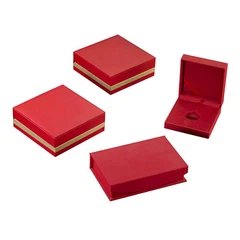

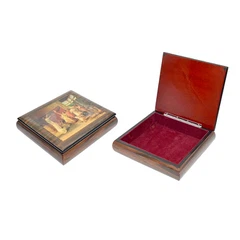

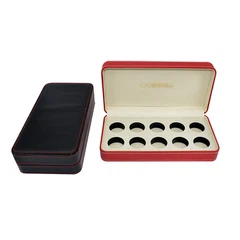
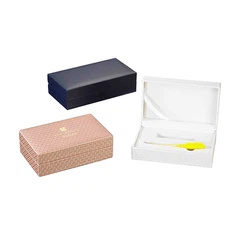
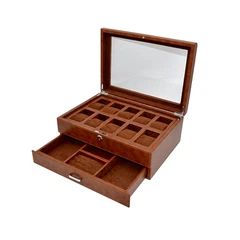
As a supplier of Square Tissue Boxes, I've often been asked a rather interesting question: Do square tissue boxes have different thicknesses? In this blog post, I'll delve into this topic, exploring the factors that influence the thickness of square tissue boxes, the implications of different thicknesses, and why it matters in the context of our products.
Understanding the Basics of Square Tissue Boxes
Before we discuss thickness, let's first understand what a square tissue box is. A Square Tissue Box is a container designed to hold tissues in a convenient and accessible manner. It typically has a square or rectangular shape with an opening at the top for easy tissue extraction. These boxes come in various sizes, materials, and designs to meet different consumer needs and preferences.
Factors Influencing the Thickness of Square Tissue Boxes
The thickness of a square tissue box is not a random characteristic; it is influenced by several factors, including the following:
Material Selection
The material used to manufacture the tissue box is one of the primary factors determining its thickness. Common materials include cardboard, paperboard, plastic, and wood. Each material has its own unique properties and thickness ranges.
- Cardboard and Paperboard: These are the most commonly used materials for tissue boxes due to their affordability, recyclability, and ease of customization. Cardboard is generally thicker and more rigid than paperboard, providing better protection for the tissues inside. The thickness of cardboard tissue boxes can range from 0.3 mm to 3 mm, depending on the quality and intended use.
- Plastic: Plastic tissue boxes are known for their durability, water resistance, and sleek appearance. They can be made from various types of plastics, such as polypropylene (PP), polyethylene (PE), and polystyrene (PS). The thickness of plastic tissue boxes typically ranges from 1 mm to 5 mm, depending on the type of plastic and the design requirements.
- Wood: Wooden tissue boxes offer a natural and elegant look, making them a popular choice for high-end or decorative applications. The thickness of wooden tissue boxes can vary significantly depending on the type of wood used and the desired strength and durability. Generally, wooden tissue boxes have a thickness of 3 mm to 10 mm.
Product Design and Functionality
The design and functionality of the tissue box also play a role in determining its thickness. For example, a tissue box with a more complex design, such as a multi-layered or foldable structure, may require a thicker material to maintain its shape and integrity. Additionally, tissue boxes with special features, such as built-in dispensers or compartments, may need to be thicker to accommodate these components.
Target Market and Usage Environment
The target market and usage environment of the tissue box can also influence its thickness. For example, tissue boxes intended for use in commercial settings, such as offices, restaurants, or hotels, may need to be thicker and more durable to withstand frequent use and handling. On the other hand, tissue boxes designed for home use may be thinner and more lightweight, as they are not subjected to the same level of wear and tear.
Implications of Different Thicknesses
The thickness of a square tissue box can have several implications, both for the manufacturer and the consumer. Let's take a closer look at some of these implications:
Protection of Tissues
One of the primary functions of a tissue box is to protect the tissues inside from damage, moisture, and dust. A thicker tissue box generally provides better protection for the tissues, reducing the risk of tearing, wrinkling, or contamination. This is especially important for high-quality or expensive tissues, which may be more prone to damage.
Durability and Longevity
The thickness of the tissue box also affects its durability and longevity. A thicker tissue box is more likely to withstand the rigors of daily use, such as being moved around, bumped, or dropped. This means that it will last longer and require less frequent replacement, saving both time and money for the consumer.
Aesthetics and Branding
The thickness of the tissue box can also have an impact on its aesthetics and branding. A thicker tissue box may appear more substantial and high-quality, which can enhance the perceived value of the product and the brand. Additionally, a thicker tissue box may provide more surface area for branding and decoration, allowing for more creative and eye-catching designs.
Cost and Sustainability
The thickness of the tissue box can also affect its cost and sustainability. Generally, thicker tissue boxes require more material to manufacture, which can increase the cost of production. However, a thicker tissue box may also be more durable and long-lasting, reducing the need for frequent replacement and ultimately saving money in the long run. From a sustainability perspective, using a thicker material may result in more waste, as it requires more resources to produce and dispose of. Therefore, it is important to find a balance between thickness, cost, and sustainability when designing and manufacturing tissue boxes.
Why Thickness Matters for Our Square Tissue Boxes
As a supplier of Square Tissue Boxes, we understand the importance of thickness in providing high-quality products that meet the needs and expectations of our customers. Here are some reasons why thickness matters for our square tissue boxes:
Customization Options
We offer a wide range of customization options for our square tissue boxes, including different materials, sizes, colors, and designs. By offering different thicknesses, we can provide our customers with more flexibility and choice, allowing them to select the tissue box that best suits their specific requirements and preferences.
Quality Assurance
We are committed to providing our customers with the highest quality products possible. By using thicker materials and ensuring proper manufacturing processes, we can ensure that our tissue boxes are durable, reliable, and able to protect the tissues inside. This not only enhances the customer experience but also helps to build trust and loyalty with our brand.
Competitive Advantage
In a highly competitive market, offering high-quality products with unique features and benefits is essential for success. By offering square tissue boxes with different thicknesses, we can differentiate ourselves from our competitors and provide our customers with a superior product that stands out from the crowd.
Conclusion
In conclusion, the thickness of square tissue boxes is an important factor that can have a significant impact on their performance, durability, aesthetics, and cost. As a supplier of Square Tissue Boxes, we understand the importance of thickness and offer a wide range of options to meet the diverse needs and preferences of our customers. Whether you are looking for a thick and durable tissue box for commercial use or a thin and lightweight tissue box for home use, we have the perfect solution for you.


If you are interested in learning more about our square tissue boxes or would like to discuss your specific requirements, please feel free to contact us. We look forward to the opportunity to work with you and provide you with the highest quality products and services.
References
- Packaging Machinery Manufacturers Institute. (n.d.). Packaging Materials: Cardboard, Paperboard, and Plastic. Retrieved from [Website URL]
- Woodworkers Guild of America. (n.d.). Understanding Wood Thickness. Retrieved from [Website URL]
- Smith, J. (2019). The Importance of Packaging Thickness in Product Protection. Journal of Packaging Science and Technology, 25(3), 123-132.