




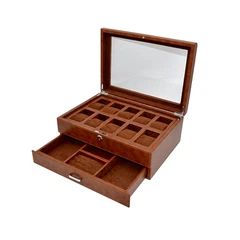
Organizing wines in a lockable wine box is not only a practical way to store your precious bottles but also an art that can enhance the overall experience of wine collection. As a supplier of lockable wine boxes, I've witnessed firsthand how proper organization can transform a simple collection into a well - curated display. In this blog, I'll share some valuable insights on how to organize wines in a lockable wine box effectively.
Understanding Your Wine Collection
Before you start organizing your wines in a lockable wine box, it's crucial to understand your collection. Take inventory of the types of wines you have, including reds, whites, sparkling wines, and dessert wines. Consider the origin of the wines, such as French, Italian, or Californian. Also, take note of the production year, as older wines may require special handling.
By having a clear understanding of your collection, you can plan the organization in a way that makes it easy to access specific wines. For example, if you frequently entertain guests and serve sparkling wines, you might want to keep them in an easily accessible part of the box.
Choosing the Right Lockable Wine Box
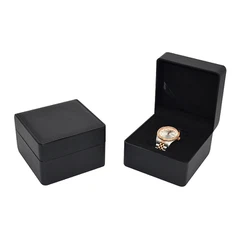
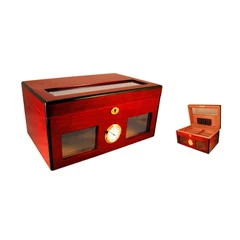
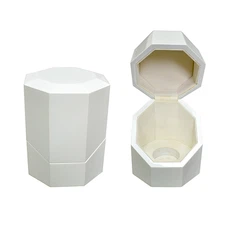
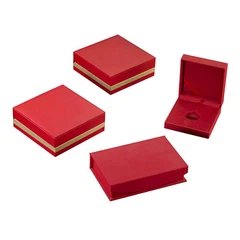
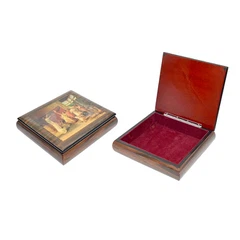
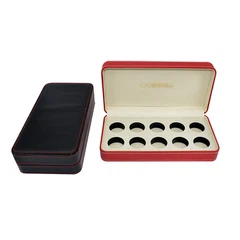
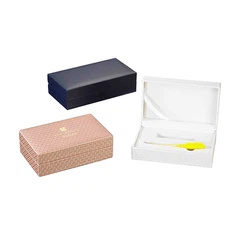
The choice of a lockable wine box is fundamental to the organization process. Our company offers a variety of options, such as the Wine Box Packaging, which provides both protection and style. The White Double Door Wine Box is a great option for those who want a modern and elegant look, while the Black Wooden Wine Box offers a classic and rustic charm.
When selecting a wine box, consider the size of your collection. If you have a large collection, you'll need a bigger box with multiple compartments. On the other hand, if you have a small collection, a compact box may be sufficient. Also, pay attention to the material of the box. Wood is a popular choice as it provides good insulation and a natural aesthetic, but metal and plastic boxes can also be durable and practical.
Organizing by Wine Type
One of the most common ways to organize wines in a lockable wine box is by wine type. Separate red wines from white wines, sparkling wines, and dessert wines. This method makes it easy to find a specific type of wine when you need it.
For red wines, you can further organize them by grape variety. For example, group all Cabernet Sauvignons together, followed by Merlots, Pinot Noirs, etc. This way, if you're in the mood for a particular grape variety, you can quickly locate it.
White wines can be organized in a similar fashion. Group Chardonnays, Sauvignon Blancs, and Rieslings separately. Sparkling wines, such as Champagne and Prosecco, should be kept upright to prevent the cork from drying out, so make sure your box has compartments that can accommodate them in this position.
Organizing by Region
Another effective way to organize your wines is by region. If you're a fan of exploring different wine - growing regions, this method can be very rewarding. Group all French wines together, then break them down into sub - regions like Bordeaux, Burgundy, and Champagne. Do the same for Italian wines, separating wines from Tuscany, Piedmont, and Veneto.
Organizing by region allows you to appreciate the unique characteristics of wines from different areas. It also makes it easier to plan wine - tasting sessions focused on a particular region.
Organizing by Age
For wine collectors who have a mix of young and old wines, organizing by age can be beneficial. Older wines are more delicate and may require special handling. Place older wines in a separate section of the box, preferably towards the back where they are less likely to be disturbed.
Younger wines, on the other hand, can be placed in the front or more accessible areas. This organization method ensures that you don't accidentally jostle or damage your older, more valuable wines when retrieving a younger bottle.
Utilizing Compartments and Dividers
Most lockable wine boxes come with compartments and dividers. These features are designed to help you organize your wines effectively. Use the compartments to separate different types of wines or wines from different regions. Dividers can be used to create smaller sections within a compartment, allowing you to group wines more precisely.
If your box doesn't have enough compartments or dividers, you can purchase additional ones or create your own using materials like cardboard or wood. Just make sure that the dividers are sturdy enough to support the weight of the wine bottles.
Labeling
Labeling is an essential part of wine organization. Use small labels to mark each section of the box, indicating the wine type, region, or age. You can also label individual bottles with important information such as the production year, grape variety, and tasting notes.
Labeling makes it easy to identify wines at a glance, especially if you have a large collection. It also adds a professional touch to your wine storage and can be a great conversation starter when you have guests over.
Maintaining the Ideal Environment
In addition to proper organization, it's important to maintain the ideal environment inside the lockable wine box. Wines should be stored at a consistent temperature, ideally between 55°F and 65°F (12.8°C and 18.3°C). Fluctuations in temperature can damage the wine and affect its flavor.
Humidity is also crucial. Aim for a humidity level of around 70%. Too much humidity can cause mold to grow on the labels and corks, while too little humidity can cause the corks to dry out. You can use a small humidifier or dehumidifier inside the box to regulate the humidity if necessary.
Security and Protection
The main advantage of a lockable wine box is the security it provides. Make sure to use a high - quality lock to protect your valuable wine collection. This not only prevents unauthorized access but also gives you peace of mind knowing that your wines are safe.
In addition to security, the box should also provide protection against light and vibration. Wines are sensitive to light, especially ultraviolet light, which can cause chemical reactions and spoil the wine. Choose a box that is made of opaque materials or has a lining that blocks out light. Vibration can also disrupt the aging process of wines, so look for a box that has good shock - absorbing properties.


Conclusion
Organizing wines in a lockable wine box is a multi - faceted process that involves understanding your collection, choosing the right box, and implementing effective organization methods. By following the tips outlined in this blog, you can create a well - organized and secure wine storage solution that enhances your wine - collecting experience.
If you're interested in purchasing a lockable wine box for your collection, I encourage you to reach out for more information. Our team is ready to assist you in finding the perfect box that meets your needs and preferences. Whether you're a casual wine drinker or a serious collector, we have the right solution for you. Contact us today to start the conversation about your wine storage requirements.
References
- "The Wine Storage Handbook" by a well - known wine expert
- Industry reports on wine storage best practices