


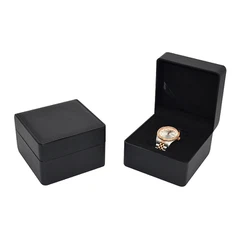
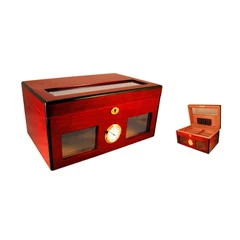




Coin Boxes
Jihaoyuan Packaging: Your Premium Coin Boxes Supplier!
Dongguan Jihaoyuan Packaging Products Co., Ltd. was established in 2010 and is a professional supplier of high-end packaging gift boxes. Our factory covers an area of 3,000 square meters and mainly produces watch boxes, jewelry boxes, perfume boxes, pen boxes, commemorative coin boxes and other products. Made from wood, leather and paper, these boxes are a favorite among customers in the perfume, cosmetics, jewellery, chocolate, spirits and tea industries.
Rich Experienced
Our team includes nearly 100 professionals with 15 years of experience in packaging box design and sales, and can provide you with 24/7 online product customization consultation and usage guidance services.
Well Equipped
Our production workshop has introduced a CTP computer system and is equipped with corrugated production lines, trimming machines, laminating machines, paper separators, wire punching machines and other equipment to produce packaging boxes in large quantities.
Quality Assurance
Our company has passed ISO9001 and BRC certification, and all products are made of environmentally friendly wood, paper materials, and have passed CE certification.
Customized Services
We provide custom designs for these boxes including logo, cover and lid printing, size, color and folding box options, and support OEM orders.


What is Coin Boxes?
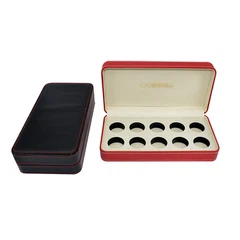
Do you have a ton of coin flips, snaps or slabs that are piling up? Do you wish you had an attractive and affordable way to organize them? Get a coin box! Coin storage boxes are used to organize and store coins in a safe and aesthetically pleasing way, some coin storage boxes are designed to hold coin flips and snaps. They store coins of specific types, such as raw, slabbed, rolls, mint sets, or proof sets. They can be a practical gift for coin collectors, or to prevent coin loss. If you've got a lot of valuable coins stored in coin slabs, you'd better choose the slotted coin display slab box.
Features of Coin Boxes
Natural Wood
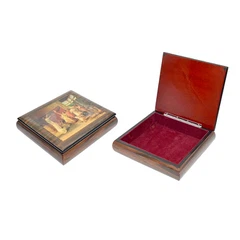
Our wooden coin boxes are made from a variety of natural woods, such as bamboo, camphor pine, beech, etc., which prevent damage to coins caused by moisture, light or temperature.
Rich Styles
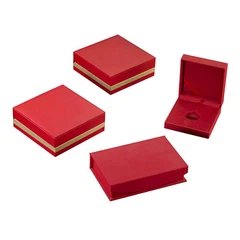
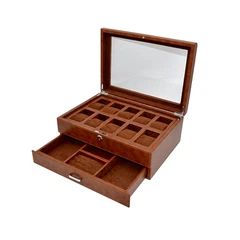
Coin collection boxes have a variety of structures, including clamshell boxes, pull-out boxes, canopy boxes, and multi-function boxes. It is also available in different sizes, colors, materials and printing styles.
Anti-scratch Lining
Our coin collection boxes feature soft velvet padding on the inside and ribbons to hold and display coins in an organized manner and protect them from scratches or scratches.
Flexible Space
This box features removable dividers and is compatible with collecting binders to provide ample space to hold collectible coins such as pennies, quarters, silver eagles, silver gold dollars, half dollars, silver bars, and more.
Common Methods to Storage Coins
There are several methods for storing a coin collection. Some collectors use coin folders or albums listing all of the years, mints, and special series of a coin. Those systems are excellent if your goal is to collect each of the coins in a series.
Coin Flips are a very common storage solution for coins, as this method is affordable and reliable. Unfolded, Paper Flips are 4″x 2″, which are folded to 2″x 2″, with the coin sandwiched between the layers (the exception are 2.5″x 2.5″Paper Flips for larger Eagle/Crown coins). The circular die-cut hole is covered by a thin polyester (Mylar) which is an acid-free, archival-safe material.
People have two varieties of paper flips. In both instances, the paper and polyester are almost identical. The difference in the styles are the closure technique.
The first closure method is to staple the paper flip close with the enclosed coin. These are our traditional Paper Flips.
The second closure method is a Flip system, using an adhesive to keep the flip closed.
To further organize coins placed in 2″ x 2″ flips, some collectors prefer to place the flips in clear pocket pages and then in 3-ring binders. Other collectors prefer to store the paper flips in coin boxes.
The next coin storage method is a Coin Display Slab. Coin Slabs are similar to the Coin Snaps as they also have two layers of polystyrene that press together, however the Coin Slabs are larger. The slabs have a header space where you can place a label describing the coin. For our Display Slabs, the foam inserts to hold the coins are sold separately.
To store a stack of coins, Coin Tubes are a popular choice. These are clear plastic with a screw cap. For each respective coin, these tubes hold the same amount of coins as held in coin roll wrappers. Coin tubes can help with counting, sorting, rolling, and protecting coins of different shapes and sizes. They can also help protect gold and silver coins from exposure to the open air.
Airtight boxes can prevent tarnish and discoloration of your coins. Moisture and air can cause oxidation, especially for coins made of silver or copper. Airtight containers such as coin storage boxes with tight-fitting lids create a sealed environment that protects your coins from exposure to air and moisture.
If you prefer to display your coins in albums, it is important to use acid-free albums and pages. Acid can cause damage to the surface of the coins and lead to discoloration. Acid-free albums are albums made from materials that protect photos and other paper-based items from the effects of acid and other environmental factors. These materials can help prevent discoloration, deterioration, and damage. Acid-free archival paper can last for more than 1,000 years and is often used for the long term archival storage of art, documents, and textiles.
Benefits of Collecting Coins
If you’re looking for a hobby to pursue during some downtime, then you should consider coin collecting. It’s the perfect time to learn as much as you can about coins and where to acquire one. Having a hobby will allow you to step away from whatever crazy is happening in your life and take a break with a purpose. Coin collecting also offers so many benefits. Here are the four benefits of coin collecting:
To Make Money
Coin collections can also function as an investment instrument to diversify your portfolio. Rare gold and silver coins can be purchased from a reputable coin dealer to add value to your range of investments. Many experts will tell you that precious metal bullion coins can reduce the amount of risk in your investment strategy. Additionally, you can easily liquidate your coin collection if you need cash.
If you are strictly purchasing coins to make a profit, you need to become extremely familiar with the rare coin market. Fluctuations in demand and coins available-for-sale can dramatically affect prices. Additionally, become familiar with the coins that you are purchasing. Buy a book or do some research online before investing in any coin.
The Challenge
It is human nature that we like to see things through to completion. It gives us a sense of satisfaction when we can see a task completed or goal accomplished. Successful coin collectors begin by establishing a goal of what they want to collect. Sometimes it is the “thrill of the hunt” that gives us satisfaction when we find the perfect coin for our collections. Satisfaction also can be obtained by finding a valuable coin in your pocket change. Finally, the pride of ownership of the valuable coin collection is one of the most satisfying benefits of collecting coins.
Beauty and Art
The design of each coin begins in the skillful hands of an artist. Although many different types of artists can design coins, the best artists are the ones that understand bas relief sculptures. Most numismatists agree that the most beautiful United States coin ever made was the Saint-Gaudens double eagle, minted between 1907 and 1933. Other masterpieces include Victor David Brenner’s Lincoln cent, Bella Lyon Pratt’s Indian Head quarter eagle and half eagle sculpted in sunken relief, and William Wyon’s The Una and the Lion on a British £5 gold coin. In effect, coin collections are actually collections of art. The owner of a carefully assembled coin collection will want to display their cherished works of art proudly.
History and Education
Almost all coins feature some historical element. It can feature the victory of an ancient war immortalized on an ancient Roman coin, the inauguration of a king or queen on a medieval coin, or a circulating commemorative coin showcasing each of the fifty United States and six territories and protectorates.
Colonial coins minted in the United States before the formal founding of the United States Mint in 1792 are actual pieces of history you can hold in your hands. The same can be said for pirate treasure coins and coins recovered from shipwrecks from the century gone by. World coins can introduce you to other countries and cultures from around the world.
Leave a Legacy
A carefully planned and investment-driven coin collection can turn out to be a valuable inheritance for your heirs. Although very few people get rich overnight from collecting coins, carefully planned and thought out investment strategies in rare and valuable coins can appreciate over time.
Take the time to get your children or grandchildren interested in coin collecting. Most children will lose interest in coin collecting during their teenage years but may return to it years later. Years from now, they can look back on your legacy captured in your coin collection. They may even remember acquiring a special coin from you.
Relaxation
Assembling a coin collection and studying the origins of a particular coin can take your mind off the stress and pressures that you experience throughout the day. Coins are easy to collect and can be collected right from your pocket change, at a favorite coin store, coin show, or through the Internet. There are also coin clubs around the country that can add social interaction to your coin collecting hobby. Getting started is easy for a collector on any budget.
Factors that Damage or Tarnish Valuable Coins
Coin damage can occur from various environmental factors, such as time, humidity, and temperature changes. However, poor handling and certain chemicals can also cause significant damage, as will a poorly chosen coin storage environment. Here are the biggest risk factors to consider before you store your coins:
Humidity
Metal tends to attract moisture in the form of condensation. Prolonged exposure to humidity can be devastating to the overall condition of a coin. In particular, silver and copper react chemically to water or moisture, eroding and tarnishing the metal’s surface. Gold is one of the least chemically reactive metals, but exposing gold coins to humidity is never a good idea. Many coin collectors have difficulty protecting against moisture when storing coins, as it’s virtually impossible to create a 100% air-tight storage area.
Temperature
Exposure to extreme temperatures can also damage a coin collection. Heat isn’t very damaging on its own, but it can create acids, moisture, or poor air quality that are more harmful. Conversely, low temperatures can cause condensation and moisture damage. The safest way to store coins is in a climate-controlled environment.
Acids
Maintaining an acid-free storage environment for your coin collection is critical. Acid causes significant physical damage to metals and is something to avoid at all costs. Unfortunately, many collectors don’t realize that paper and cardboard storage materials are the most common causes of acid damage. Using a cardboard box or paper envelopes stapled shut can tone, tarnish, and discolor coins. Avoid using paper or cardboard coin holders, and keep household cleaning solutions separately to ensure an acid-free storage environment.
Chlorine
Chlorine tones and corrodes most coins, particularly old or fragile specimens. The most common source of chlorine exposure comes from plastic zip lock bags and coin holders that contain polyvinyl chloride (PVC). Avoid flips and other plastic packaging with PVC at all costs.
Improper Handling
Your hands contain natural oils and acids that cause just as much damage as synthetic chemicals. Always wear cloth gloves when handling and cleaning coins, and never touch the coin’s face.
Tips for Proper Coin Storage
If you learn how to properly store your coins before you purchase them, you have a much better chance of preserving their value and physical condition. Remember these tips to protect your coin collection from future damage:
Take detailed notes for every piece in your collection, even the low-value coins. Recordkeeping makes it easier to keep track of coins and compare market trends. It’s also important for insurance purposes.
Use coin storage devices to categorize, protect, and store your coin collections. The simplest devices consist of coin albums, coin folders, and hard plastic holders.
Consider location before you begin coin collecting. Look for a cool, dry, and dark place that doesn’t experience high humidity or frequent temperature changes.
Improve security by investing in a safe where you can keep your high-value coins, precious metals, and other valuables.
Prevent rust and oxidation by placing a silica gel pack near your coins to absorb excess moisture that can accelerate tarnishing.
Wear cloth gloves when handling coins, and never touch the coin’s face directly. Instead, pick the coin up gently on the edges to preserve its condition.

Frequently Asked Questions of Coin Boxes
We're well-known as one of the leading coin boxes manufacturers and suppliers in China. Please feel free to wholesale the best coin boxes at competitive price from our factory. For custom design service, contact us now.
Double Door Coin Organiser