




Tea Box
Jihaoyuan Packaging: Your Premium Tea Box Supplier!
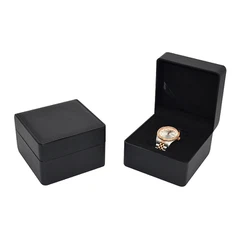
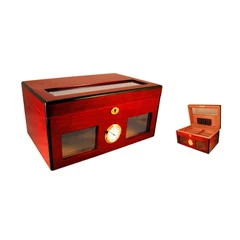
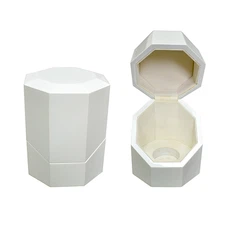
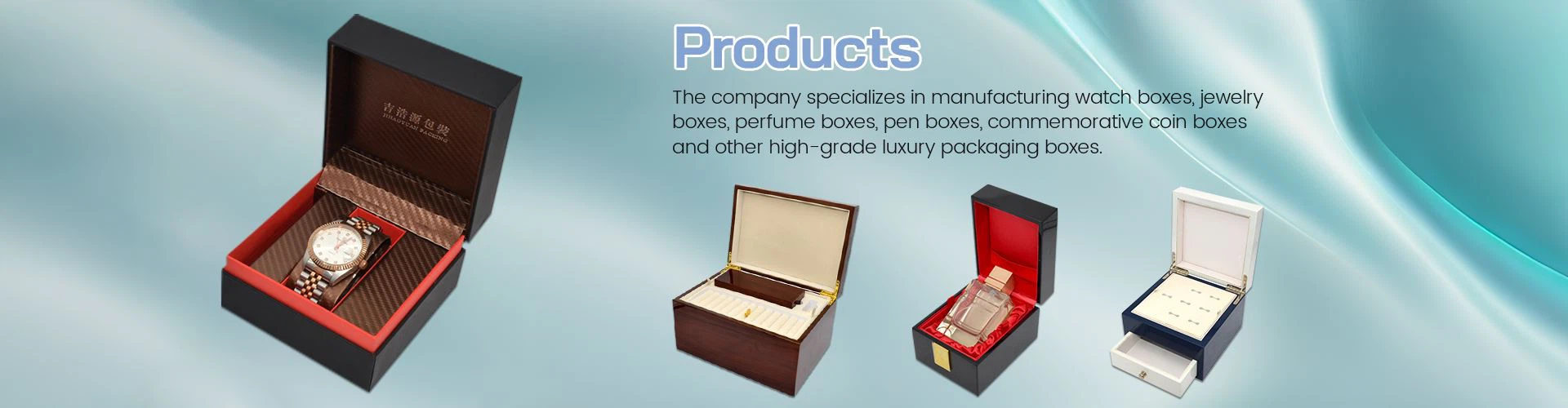
Dongguan Jihaoyuan Packaging Products Co., Ltd. was established in 2010 and is a professional supplier of high-end packaging gift boxes. Our factory covers an area of 3,000 square meters and mainly produces watch boxes, jewelry boxes, perfume boxes, pen boxes, commemorative coin boxes and other products. Made from wood, leather and paper, these boxes are a favorite among customers in the perfume, cosmetics, jewellery, chocolate, spirits and tea industries.
Rich Experienced
Our team includes nearly 100 professionals with 15 years of experience in packaging box design and sales, and can provide you with 24/7 online product customization consultation and usage guidance services.
Well Equipped
Our production workshop has introduced a CTP computer system and is equipped with corrugated production lines, trimming machines, laminating machines, paper separators, wire punching machines and other equipment to produce packaging boxes in large quantities.
Quality Assurance
Our company has passed ISO9001 and BRC certification, and all products are made of environmentally friendly wood, paper materials, and have passed CE certification.
Customized Services
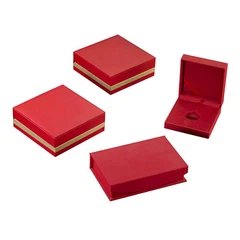
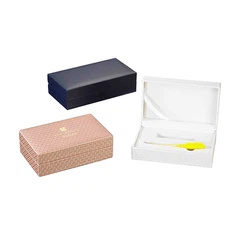
We provide custom designs for these boxes including logo, cover and lid printing, size, color and folding box options, and support OEM orders.


What is Tea Box?
A tea box, also known as a tea chest, is a container for storing tea bags. Back in the 17th century when tea was first making its overseas debut, it was often contained in what were called “tea caddies,” typically made of Chinese porcelain. Other caddy designs were sometimes made of brass, pewter, and silver. But toward the onset of the 18th century, woodworkers introduced the first tea box prototypes. A tea box or Tea chest is usually made of wood with metallic edges for easy storage with metallic edges. Tea boxes are designed to keep tea dry, which is important because moisture can ruin tea and introduce bacteria. Prolonged exposure to light can also cause tea to degrade in flavor and aroma. Wood tea boxes are designed to do this.
Features of Tea Box
Natural Material
Our tea boxes are handmade from natural bamboo and can be used for a long time without deformation or mold. Its bamboo content effectively absorbs excess moisture and odors from the tea leaves, keeping your tea fresh for months.
Enough Capacity
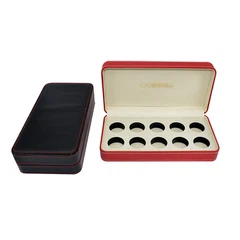
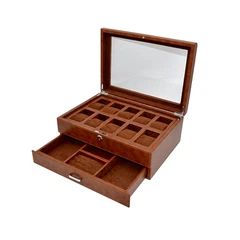
This tea box comes with 8-10 equally divided compartments, making it easy to store all your loose tea bags or tea tins in an organized manner. It can also be used to store spices, collectibles and other small kitchen accessories.
Multi Styles
The soft velvet lining of this box can be replaced with silk or sponge padding. It is available in different sizes, colors and compartment versions, and supports logo customization.
Easy to Use
Connected by two heavy-duty metal hinges, our tea box easily closes or opens to a 90-degree angle with no harsh squeaks, ensuring easy access to the tea bags inside.
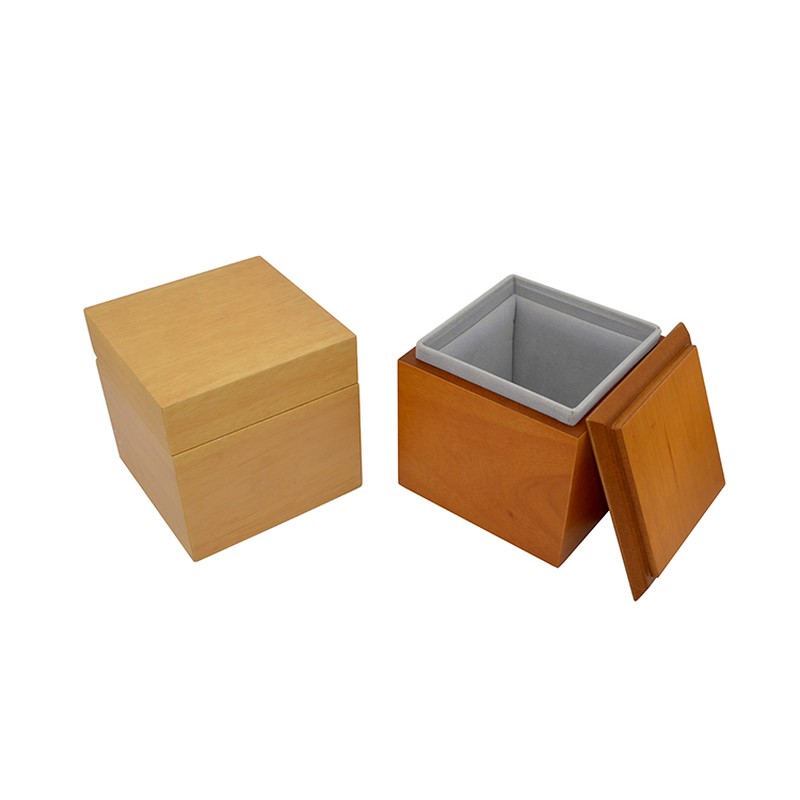
If you're a tea lover, you probably go through a lot of tea packaging. But before you throw away those empty tea boxes / tins and tea bags, consider repurposing them for a variety of useful purposes. Here are some creative ideas for repurposing your tea packaging:
Use empty tea boxes as storage containers. Tea boxes are perfect for storing small items such as jewelry, buttons, or craft supplies. You can also use them to organize your desk or pantry.
Turn empty tea tins into planters. If you have a small backyard or balcony, you can use empty tea tins as planters for herbs or small flowers. Simply punch holes in the bottom of the tin for drainage, fill it with soil, and plant your seeds or seedlings.
Take homemade tea bag sachets. If you have a lot of empty tea bags, you can fill them with your favorite herbs and use them as sachets. Simply fill the tea bag with herbs such as lavender, chamomile, or mint, and tie it closed. You can use these sachets to freshen up your closet, drawers, or car.
Create a tea bag mosaic. If you're artistic, you can use empty tea bags to create a mosaic. Simply cut the tea bags into small pieces and arrange them on a canvas or other surface to create a unique and colorful piece of art.
Use tea bags for composting. Tea bags can be added to your compost bin as a source of carbon. Just be sure to remove any staples or paper labels before adding the tea bags to your compost.
Dry out tea bags and use them as fire starters. If you have a fireplace or wood stove, you can dry out tea bags and use them as fire starters. Simply lay the tea bags out to dry, and then crumble them up and use them as kindling to start your fire.
Use tea bags as a natural dye. If you're a DIY enthusiast, you can use used tea bags to naturally dye fabrics or paper. Simply steep the tea bags in hot water to extract the color, and then use the resulting liquid to dye your materials.
Make homemade tea bag candles. If you have a lot of empty tea bags, you can use them to make homemade tea bag candles. Simply fill the tea bags with wax, add a wick, and then let the wax harden. You can use these candles to add a cozy touch to your home.
Benefits of Tea Box
If not kept in an airtight wooden, glass, or tin container, most tea bags and loose-leaf tea begin to lose flavor after 3 to 4 months. Fresh tea not only tastes better, but it also helps you save money and make the most of each serving of tea. Many individuals just add more tea to their tea to boost the flavor as the tea leaves start to lose flavor. This wastes priceless tea leaves and increases your overall costs.
Tea bag waste can be avoided from landfills by drinking loose-leaf tea instead of tea bags. Reusing the same storage container also prevents cardboard boxes, plastic wraps, and other packing materials from ending up in landfills. If you bring your tea box can to a tea store to get a refill of your preferred loose-leaf tea, many of them will give you a discount.
You've probably waded through a drawer or basket full of tea bags countless mornings or afternoons in search of the ideal one. You can quickly mark and distinguish between various teas using tea boxs and containers. Additionally, because they are sleek, uncomplicated, and stackable, they look much better when kept on the counter.
The tea self-life will be reduced if the whole tea leaves or the powder are scattered all around. Not only it but also it will reduce the aroma, and color and even change the flavor. A tea storage container helps to keep it as it is and even increases the shelf life.
Different Containers to Store Tea
Buying loose leaf tea is only half the fun - once you have your carefully curated collection of tasty teas, choosing your loose leaf tea storage is the next important step. It might be easy to overlook, but keeping your high quality tea stored and organized properly is essential to maintain your tea’s freshness and ensure it doesn’t go bad before you get a chance to enjoy every drop!


Ceramic Canisters
Ceramic canisters are a beautiful kitchen decoration and functional loose tea storage solution, but they do have a few downsides. You must choose ceramic canisters that are safe to store food and dry goods safely. Their wide mouths are perfect to store large amounts of loose tea in, but there’s a chance that the lids might not be airtight.
While ceramic jars are perfect for storing large quantities of a few types of tea that you use often, we recommend putting your loose leaf tea in a food-safe sealable bag first and then storing it in the jar for extra protection. Your loose tea remains easily accessible while the longevity of your leaves are preserved.
Wood Tea Box
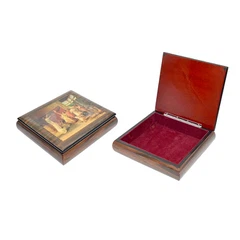
Wood tea boxes and chests are a popular option for storing and organizing tea bags, but they can also be used for loose leaf teas under the right conditions. Wood tea boxes, often made out of bamboo or acacia, are great for storing and organizing small quantities of loose leaf tea. Because these boxes and chests are so easily accessible, they’re optimal for the loose leaf tea you reach for most often.
Wood tea boxes are perfect for keeping out the light, but it is possible that the wood can have a lingering scent that might seep into your tea. Similar to a ceramic jar, it’s important to make sure your loose leaf tea is either contained in its original package, a small tin, or a sealed bag before it’s organized and displayed in your wood tea box.
Glass Jars
Glass jars are the ultimate DIY do-it-all container, and they have many uses when it comes to tea. For instance, they’re perfect for cold brewing tea in the fridge or making sun tea outside during the summer. But did you know that you can also store loose leaf tea in them year-round?
The screw-on lids help give the jars an airtight seal, which is perfect for preserving loose leaf tea. You can also add cute labels or stickers to decorate the jars and differentiate your teas. However, the only downside to glass jars is that they are clear which means light shining through may deteriorate the quality of your leaves over time. But there is a way to still use your glass jars for loose tea and keep them safe! Simply take extra care to store your jars full of loose tea in dark places like a cabinet or shelf on your pantry - if it’s hidden from natural light your loose tea will stay fresh.
Tea Tins
Tea tins are the ultimate tea storage solution. They cover all of the most important features for loose tea storage. Tea tins are opaque which keeps your loose tea safe from light damage, they have airtight lids that seal shut for maximum freshness, and they don’t allow your tea to absorb the scent and flavors of other teas, food, or spices stored nearby. Plus, they come in various sizes and shapes to suit whichever type of loose leaf tea you have and some tea tins are even printed or decorative for stylish storage!
If you’re not in the market to just buy tea tins at the moment, always pay attention to how the tea you buy comes packaged. Some high quality tea brands package some of their products in tea tins to begin with, which can be reused after you have finished the tea.
Factors to Consider When Designing Tea Box
Custom tea boxes are an elegant way to present your custom teas to your customers. Custom printed tea boxes will give a professional look and show that you care about the presentation of your product. They “dress” up the plain white or paper-banded contents inside, making it look like something worth paying for. Making sure the packaging is right is one part getting your name out there; having quality products inside makes people want to try them, so they can see what all the fuss is about!
Custom Logo
A few things should be kept in mind when planning on creating customized tea boxes: first, how many different types of teas do you offer? If you have multiple varieties (and corresponding custom tea boxes), make sure that they coordinate without looking too similar. One of the easiest things to do is create a custom tea box that has your logo and contact information on it, and then package all the kinds of teas you sell in baggies inside this box.
Selection of Design, Print and Accurate Sizing
Another important factor to consider is sizing: how much tea will be going into each custom printed tea box? Measure the various products you’ll be packaging beforehand, so you can choose a size of custom printed tea boxes that makes sense for what you’re selling. Obviously, if your product doesn’t come in a standard size (let’s say loose leaf vs. bagged), then you should probably base which size to use on how many ounces or grams of said product is in a typical serving, and whether you expect customers to go through a typical box in one sitting or not.
Material
A third factor to consider is the material you want your custom tea boxes made out of. The most common materials are cardboard (with all its various weights and thicknesses) and paperboard (which comes in even more types). Cardboard is generally more durable, but can be heavier; paperboard is quite flexible, but tends to be flimsier than thicker cardboards. Keep in mind that shipping costs depend on weight, so if you expect customers to order multiple containers at once, then choosing lighter custom tea boxes might end up cheaper for you overall! Also keep in mind that different printing methods require certain board weights – offset printing requires 100 lb. or higher, while thermography printing works best on 60-80 lb. boards and letterpress require 65 lb. (and is typically only suitable for smaller custom tea boxes).
Packaging Methods
Of course, you’ll also have to choose the packaging method itself: will your custom printed tea boxes be shrink-wrapped together, glued shut, taped shut? While some types of containers are suited for one or two methods, but not others – shrink-wrapped boxes can’t be glue-sealed or taped shut – there’s no need to limit yourself arbitrarily! A good choice is a type of box that uses a “tuck top” closure – simply put, this means that the flaps on the top just fold over onto each other without any tape or glue, and the container is sealed shut.
Frequently Asked Questions of Tea Box
We're well-known as one of the leading tea box manufacturers and suppliers in China. Please feel free to wholesale the best tea box at competitive price from our factory. For custom design service, contact us now.
, Wine Box Packaging