


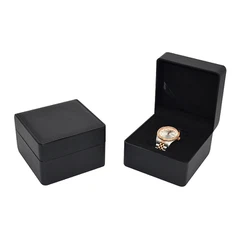
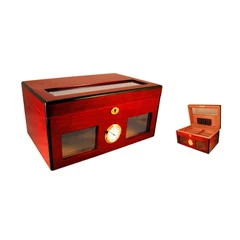
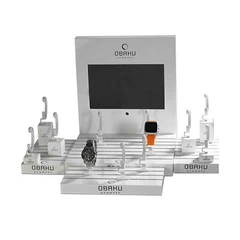
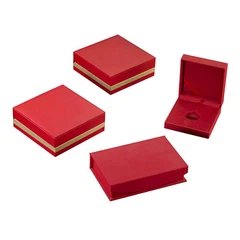

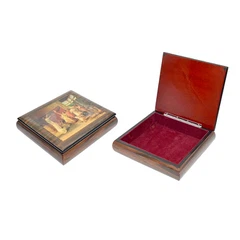

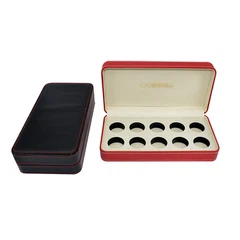
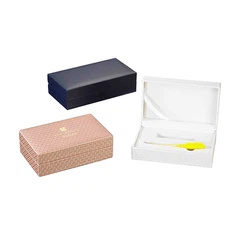
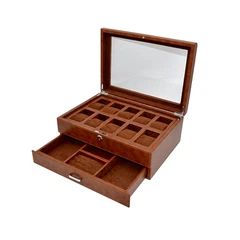
The requirements for watch display stands vary depending on the setting in which they are used. Whether for retail stores, exhibitions, personal collections, or gift displays, the stand must meet specific needs in terms of functionality, aesthetics, and security, tailored to each environment. Below is an overview of the key requirements for watch display stands in different settings.
1. Retail Stores and Showrooms
Purpose: To attract customers, effectively showcase products, and enhance the shopping experience.
Key Requirements:
Aesthetics
Brand Image: The design of the display stand should align with the brand image. High-end or luxury brands require premium materials and clean, minimalist designs, while more casual brands may opt for vibrant colors or modern materials.
Visual Appeal: The stand should highlight the beauty of the watch with clean, streamlined lines and minimal distractions. High-quality materials such as glass, wood, or polished metal are recommended.
Lighting: Integrated LED lighting or spotlights are essential for illuminating the watch, enhancing visibility and highlighting details such as the dial, hands, or intricate designs.
Visibility and Ease of Use
Rotation: Rotating display stands or adjustable-angle holders allow customers to view the watch from different perspectives.
Easy Handling: The stand should enable customers to try on or handle the watch without difficulty or risk of damage. Some stands may include soft straps or holders to secure the watch.
Layout: Multi-tiered or modular display stands help keep the area tidy and organized, allowing multiple watch models to be shown simultaneously without crowding.
Security
Lockable Display Cases: High-end watches require secure, lockable display stands that prevent theft while maintaining visibility. Lockable glass watch cases are ideal.
Anti-Theft Mechanisms: Features such as tags, straps, or electronic alarms should be incorporated to deter theft, especially in high-traffic areas.
Durability
Materials: The stand must be robust enough to withstand high foot traffic and frequent handling by customers.
Easy Cleaning: Materials should be easy to maintain, as watch display stands require regular cleaning to remain free of dust and fingerprints.
2. Trade Shows and Exhibitions
Purpose: To present the brand to a broad audience, attract potential clients, and make a strong first impression.
Key Requirements:
Portability
Lightweight and Modular Design: Since trade shows involve transportation, stands must be easy to assemble, disassemble, and carry. Modular designs using lightweight materials such as acrylic or aluminum are ideal.
Compactness: Space at trade shows is often limited, so stands should maximize space efficiency while keeping products well-organized.
High Visibility
Eye-Catching Features: To stand out in a crowded exhibition hall, stands should incorporate striking lighting, interactive elements, or dynamic displays (e.g., rotating platforms, backlit components).
Branding: The display should prominently feature brand logos, slogans, and other promotional materials to reinforce brand recognition.
Security
Lockable Display Cases: Some exhibition stands include glass covers or lockable compartments to ensure watch safety amid large numbers of visitors.
Touch Prevention: Since many visitors may touch the products, the stand should protect watches from scratches and fingerprints while still allowing easy demonstration.
Interactive or Digital Features
Screens: Integrated digital screens or tablets can provide additional product details, promotional videos, or interactive features to engage visitors.
3. Personal Collections (Home or Office)
Purpose: To display and protect valuable watches in an aesthetically pleasing way, integrating them into home or office décor.
Key Requirements:
Aesthetic Design
Display as Artwork: The stand should harmonize with the room's décor and highlight the beauty of the watch collection. Materials such as wood, glass, or metal can be chosen based on personal style preferences.
Elegant Presentation: For high-end watches, premium materials like velvet lining, high-gloss finishes, or fine woods enhance the sense of sophistication.
Security
Damage Protection: The stand should feature soft padding or cushioned holders (e.g., velvet or microfiber) to protect watches from scratches or impacts.
Enclosed Display Cases: Some collectors prefer glass display cases or cabinets to guard against dust, direct sunlight, and accidental damage, especially for rare or vintage watches.
Visibility and Accessibility
Rotating or Adjustable Angles: For home displays, rotating stands or angle-adjustable holders allow collectors to appreciate each watch from different viewpoints.
Easy Access: The stand should allow convenient retrieval of watches while keeping them secure enough to prevent accidental drops.
Customization
Personalization: Some collectors opt for custom-made stands with engraved initials or tailored compartments to match their collection.
4. Gift Displays
Purpose: To present a watch as a gift in an eye-catching, meaningful, and secure manner.
Key Requirements:
Elegant Presentation
Luxurious Materials: For gift purposes, display stands made of velvet, leather, or fine wood add a sense of luxury.
Customized Packaging: The stand may be part of a gift box, enhancing the overall gifting experience.
Protection
Secure Support: The watch should be held firmly in place on the stand to prevent damage during transport or display.
Minimal Contact Display: The presentation should allow the watch to be admired without direct handling, avoiding smudges or damage.
Aesthetic Value
Simplicity: Often, less is more when giving a gift. The stand should highlight the watch rather than overshadow it, allowing the timepiece to be the focal point.
The requirements for watch display stands vary significantly depending on the location and purpose. Whether displaying watches in retail stores, trade shows, home collections, gift settings, or museums, each environment imposes specific demands regarding functionality, security, aesthetics, and ease of use. The design should harmonize with the setting while ensuring that watches remain safe, easy to view, and effective in engaging the target audience.