


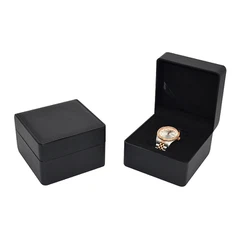
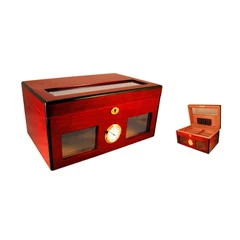
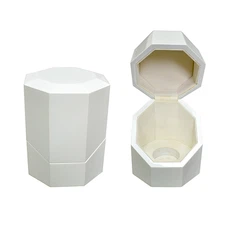
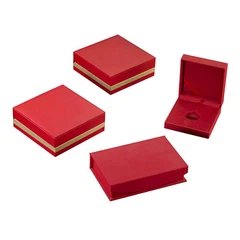

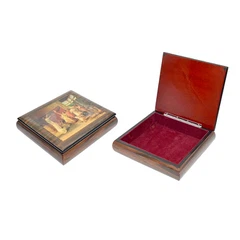

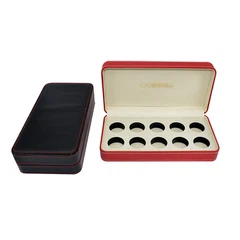
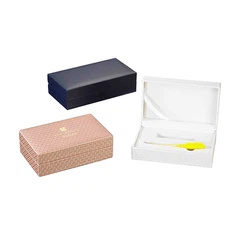
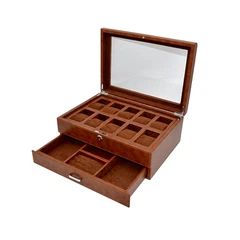
In the exquisite world of cigar culture, packaging has long transcended the role of a simple functional container to become a crucial vehicle for brand storytelling. When a premium cigar is solemnly removed from its box, the momentous opening ceremony is the first culmination of a journey of cigar savoring. Contemporary cigar packaging design is undergoing a quiet yet profound revolution. Designers are pushing practical aesthetics to unprecedented heights through bold innovations in materials, structure, and color.
The material revolution in traditional cigar boxes has first disrupted conventional industry perceptions. Spanish designer Álvaro Carmona's latest "Breathing Series" utilizes specially treated lightweight beech wood. Its microporous structure allows for precise humidity regulation, maintaining a constant humidity level within the box at a golden range of 68%-72% year-round. Even more remarkable is the carbon fiber composite material developed by Japan's Miyake Design Studio. It weighs only one-third of traditional cedar boxes, yet boasts superior pressure resistance. Its surface texture mimics the natural veins of Cuban tobacco leaves, creating a flowing light and shadow effect under light. These innovative materials not only address the issues of traditional wooden boxes, such as their easy deformation and excessive weight, but also give the packaging a unique tactile feel.
Breakthroughs in structural design demonstrate the ultimate pursuit of functional aesthetics. The "Symphony" series, developed in collaboration between a Swiss precision machinery manufacturer and the Havana Cigar Association, features a magnetic, layered structure. Through precisely calculated magnetic force distribution, it allows for elegant one-handed opening and closing. Each tray rotates independently, allowing for easy access to cigars of varying sizes. The low, resonant sound produced by this rotation has been acoustically tuned to mimic the resonant frequency of a cello. A modular packaging system, designed by descendants of the German Bauhaus school, allows consumers to freely combine multiple units like high-end building blocks. It can accommodate a single cigar in a portable box or expand to a collection cabinet capable of storing 50 cigars. Each connection point cleverly incorporates tools such as a cigar cutter and a hygrometer.
In terms of visual storytelling, contemporary designers are creatively deconstructing the cultural symbols of cigars. The limited-edition packaging of the emerging Chilean brand "Southern Cross" features a star pattern printed with thermal ink. As the temperature inside the box changes, the constellations of the Southern Hemisphere gradually reveal themselves. The Literati series, launched by the London-based art collective "Tobacco Poetry Society," features an electronic ink screen embedded in the lid that displays quotes from different writers about cigars. The screen changes randomly with each opening, alternating between verses from Byron and diary entries from Hemingway. These designs transcend static branding and transform packaging into intelligent interfaces for continuous dialogue with consumers.
In this packaging revolution, ecological awareness has become an essential design ethic. A Portuguese cork producer has developed 100% biodegradable packaging made from pressed oak bark waste, with the box lining woven from natural tobacco fiber discarded from plantations. Even more cutting-edge is mycelium packaging cultivated in a Dutch bio-lab. This fungal fiber network, grown in a mold and specially treated after forming, creates a velvety feel while completely decomposing into organic fertilizer within 90 days of disposal. These environmentally friendly innovations prove that luxury and sustainability are not mutually exclusive. From mechanical opening mechanisms designed by Geneva watchmakers to Maki-e cigar boxes handcrafted by Kyoto lacquerware masters, contemporary packaging design is redefining the ritual of cigar appreciation. When consumers trace the curves of the lid, feel the delicate vibrations of the mechanism, and listen to the unique resonance of the material, they are no longer purchasing merely a tobacco product but a tangible, functional work of art. This diverse design exploration is, in essence, a modern interpretation of the deep meaning of cigar culture-upholding the dignity of slow art in the era of fast-moving consumption, transforming industrial products into exquisite objects that embody the warmth of humanity.