


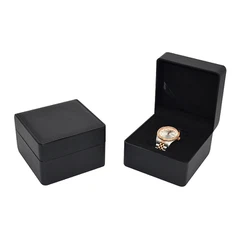
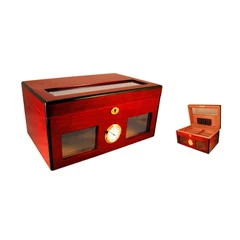
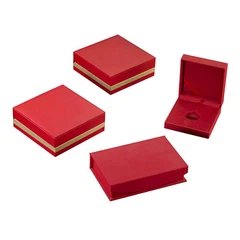

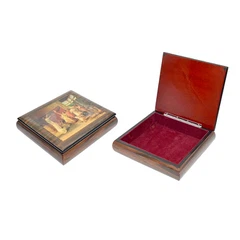

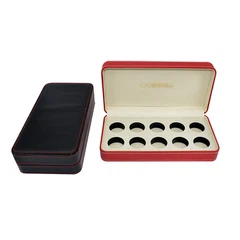
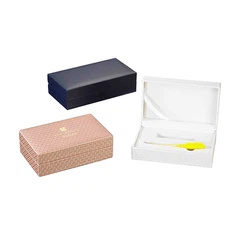
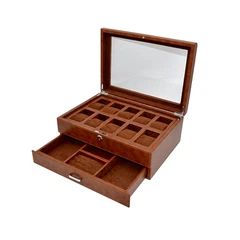
Jewelry boxes are not only a carrier for jewelry; they also protect and showcase the jewelry itself. Exquisite craftsmanship and unique design are crucial in the manufacturing process of jewelry boxes. The following is a detailed introduction to the jewelry box manufacturing process.
I. Material Selection
Wood: Common woods include rosewood, mahogany, and oak, which have natural grain and excellent durability.
Metal: Metals such as stainless steel, brass, and silver are often used in high-end jewelry boxes due to their luster and corrosion resistance.
Plastic: Plastics such as ABS and polycarbonate are lightweight and easy to form, making them suitable for mid-range jewelry boxes.
Leather: High-quality leathers such as calfskin and lambskin are often used in high-end jewelry boxes due to their softness and durability.
II. Design Concept
Minimalist Style: Simple and elegant design highlights the brilliance of the jewelry itself.
Customization: Unique boxes are designed based on the characteristics of the jewelry and customer needs.
Cultural Elements: Incorporating traditional Chinese cultural elements, such as landscapes, flowers, and birds, to showcase the cultural connotations of jewelry.
III. Manufacturing Process
Woodworking: Crafted using hand-carving, polishing, and splicing techniques, exquisite wooden jewelry boxes are created.
Metalworking: Crafted using casting, stamping, electroplating, and polishing techniques, the exquisite appearance of metal jewelry boxes is created.
Plasticworking: Utilizing injection molding and blow molding, plastic jewelry boxes are quickly molded.
Leatherworking: Crafted using cutting, sewing, punching, and hot stamping techniques, jewelry boxes with a leather-like texture are created.
IV. Surface Treatment
Painting: Coating metal and plastic materials to enhance gloss and corrosion resistance.
Electroplating: Electroplating metal materials to improve wear resistance and oxidation resistance.
Hot Stamping: Hot stamping leather or paper with gold or other colors adds a luxurious touch.
V. Quality Control
Material Inspection: Ensure that the quality of the materials used meets standards.
Process Monitoring: During the manufacturing process, every step is rigorously monitored to ensure quality.
Finished Product Inspection: Finished products undergo comprehensive inspections, including dimensions, appearance, and durability.
VI. Conclusion
The manufacture of jewelry boxes is a complex process that integrates design, craftsmanship, and materials. Each jewelry box carries the respect and protection of jewelry. Through exquisite craftsmanship and unique design, jewelry boxes not only safely store jewelry but also enhance its value and aesthetic appeal. In today's pursuit of quality living, the manufacturing process and design concepts of jewelry boxes will continue to develop and innovate.