


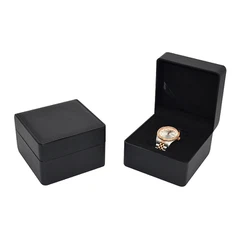
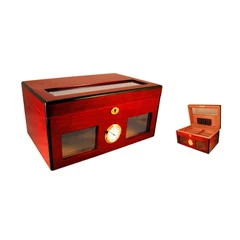
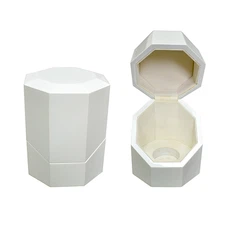

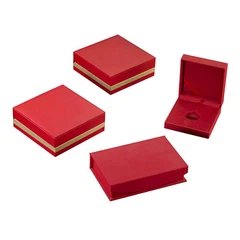

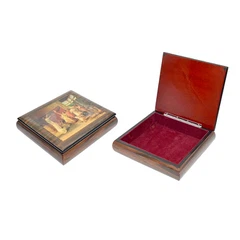

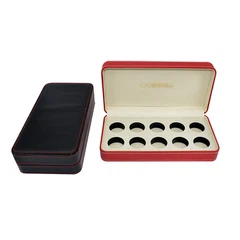
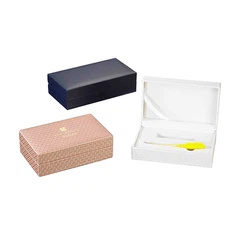
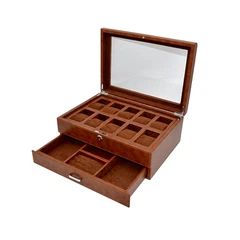
In the humid monsoon of Havana Harbor in 1897, the newly finished silver plated sandalwood box with corners was undergoing its final hand polishing. Spanish craftsmen use suede soaked in olive oil to wipe the box at a constant speed, gradually creating a silky luster between the wood grains. This box making technique, originating from the colonial period, continues to this day in century old workshops in the Canary Islands, with each process strictly following the production standards of the peak of cigar civilization.
The construction of traditional cigar wooden boxes can be regarded as miniature architectural art. The box is made of a whole piece of Spanish cedar wood, which is cut and molded. This special wood produced in Andalusia has natural capillary channels for regulating moisture. The inner side of the box cover needs to be embedded with a whole piece of cedar sheet, forming a dual composite structure with the bottom wood to ensure that the humidity inside the box remains constant in the golden range of 65% -72%.
The true embodiment of craftsmanship lies in the metal accessories in the details. The pure silver corner that has undergone three annealing treatments must be seamlessly welded in a special solder material at 800 degrees Celsius, and after cooling, it presents a unique dull luster. The hinge system adopts the dual axis design of the Victorian era, which creates a unique sense of stiffness when opening and closing. This precisely calculated damping effect can avoid moisture loss caused by frequent opening and closing.
In the tradition of Caribbean cigar plantation owners, custom wooden boxes are an important symbol of identity. Craftsmen will create hot pressed gold emblems based on the customer's family crest, with the inlay position strictly following the classical proportion of "three on top and four on bottom" - measuring three fingers' width from the top of the box cover downwards as the lower edge of the emblem, and then moving four fingers up from the bottom of the box to determine the positioning line. This decorative rule originated from the Bourbon court, making each wooden box a portable family history.
Modern cigar enthusiasts often refer to the constant temperature and humidity scheme of museums when maintaining antique wooden boxes. Using volcanic rock debris soaked in distilled water as a natural humidifying medium, combined with cedar sawdust to regulate the microclimate inside the box. When moonlight shines through the 19th-century British glass windows and falls on the redwood shelves of the exhibition room, the cigar boxes that have been passed down through the centuries still guard the sunshine and sea breeze of Havana in tranquility.