


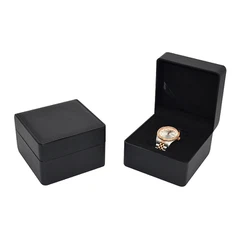
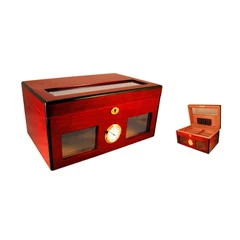
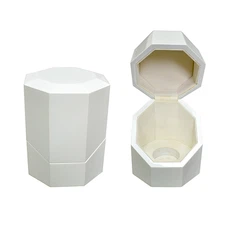
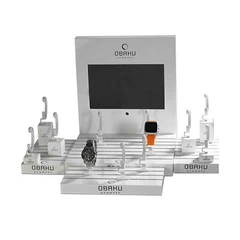
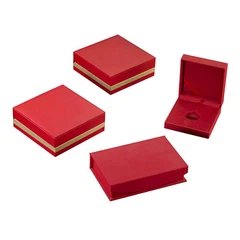

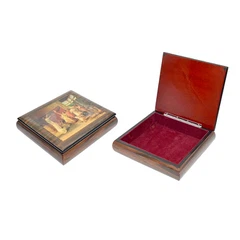

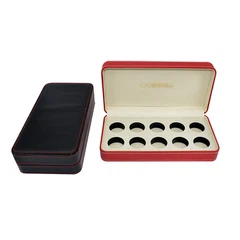
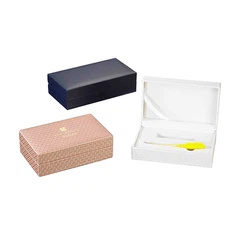
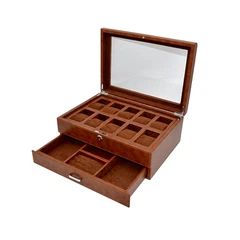
A jewelry box is not merely a tool for storing jewelry, but also a vessel for showcasing personal taste and aesthetics. In today's pursuit of personalization and functionality, structural innovation in wooden jewelry boxes has become a focus for designers. Below are some examples of how structural innovation can achieve a breakthrough in both function and aesthetics for wooden jewelry boxes.
The Concept of Structural Innovation
1. Functional Optimization
The structural design of a jewelry box should prioritize the storage and display of jewelry, ensuring its safety and ease of access.
2. Aesthetic Enhancement
While ensuring functionality, the design of the jewelry box should incorporate aesthetic elements to enhance its overall beauty.
3. Sustainability
Use environmentally friendly materials to embody a green and sustainable design philosophy.
Innovative Structural Design
1. Modular Design
Designing the jewelry box with a modular structure allows for flexible combinations based on the type and quantity of jewelry, increasing flexibility.
2. Hidden Drawers
Incorporating hidden drawers inside the jewelry box protects the jewelry from external contamination while maintaining the overall simplicity of the design.
3. Mirror Design: Add mirrors to the top or sides of the jewelry box for easy viewing and organization when retrieving jewelry.
4. Rotating Display: Design the jewelry box as a rotating display case, allowing the jewelry to be displayed in a 360-degree range, increasing visual impact.
5. Padded Design: Add padding to the bottom and interior of the jewelry box to prevent jewelry from colliding and improve user comfort.
Aesthetic Elements Incorporated:
1. Color Coordination: Select suitable wood and decorative colors to match the overall style of the jewelry box, creating a harmonious color scheme.
2. Pattern Design: Carve or print patterns on the wood surface to enhance the artistic feel of the jewelry box.
3. Texture Treatment: Utilize the natural grain of the wood to enhance the texture of the jewelry box.
4. Lighting Design: Design lighting inside or around the jewelry box to highlight the beauty of the jewelry and add a touch of style.
Sustainability Considerations:
1. Environmentally Friendly Materials: Choose environmentally friendly wood, such as timber from sustainably managed forests, to reduce environmental impact.
2. Recyclable Design The jewelry box is designed to be detachable and recyclable, allowing users to easily recycle it at the end of its lifespan.
Conclusion
The structural innovation of the wooden jewelry box not only enhances its functionality but also achieves a breakthrough in aesthetics. Through innovative structures such as modular design, hidden drawers, and rotating displays, as well as the integration of aesthetic elements such as color matching, pattern design, and lighting design, the wooden jewelry box becomes a work of art that combines practicality and beauty. In the context of sustainable development, environmentally friendly materials and recyclable design give the jewelry box a deeper meaning.