


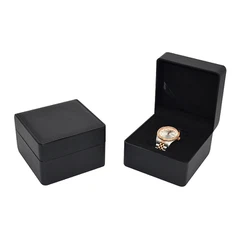
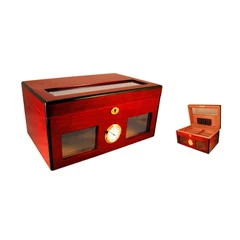
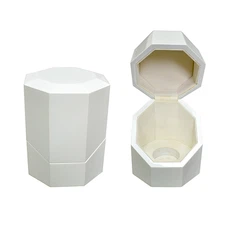
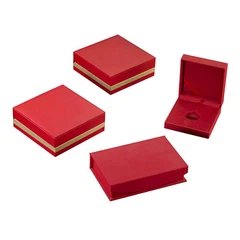

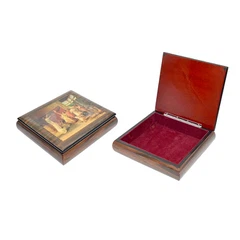

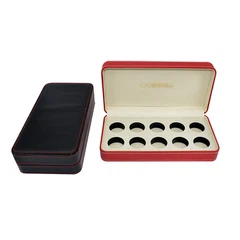
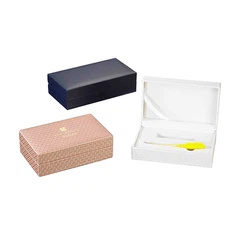
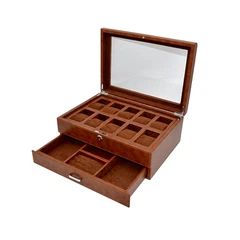
In the soft light of the dressing table, it is as silent as a Song Dynasty poem. The texture of sandalwood is the code written by time, and the opening and closing of the brass hinges make a clear sound, like the moon-shaped door of the Jiangnan garden waking up in the morning light. This is not an ordinary container, but a miniature universe of oriental life aesthetics, and every wood grain tells the philosophy of "hiding".
Burmese rosewood completes its transformation in the hands of craftsmen. The master's planer passes over the surface of the wood, bringing up amber sawdust, like opening a piece of fine brocade. The joints of the dovetail tenon are tightly stitched, without a single nail, but more eternal than mechanical casting. The secret compartment design of the lining of the box lid hides ingenuity - the velvet compartment can be disassembled and reorganized, and the jade bracelet and pearl necklace each have their own place, just like the borrowed scenery of Suzhou gardens, managing infinite interest in a limited space.
When opening and closing, the scent of agarwood overflows. This breathable material is naturally moisture-proof and knows how to get along with precious items better than a thermostatic jewelry cabinet. As the copper corners oxidize over time, they will gradually develop peacock green rust spots, forming an elegant contrast with the wood color like bronze. In the rainy season of a certain year, you may find that the lotus pattern engraved on the bottom of the box contains the amulet that your grandfather asked for. It turns out that this small space has long been given the mission of protection.
Contemporary designers are reinterpreting this ancient wisdom. At the Milan Design Week, a jewelry box that incorporates the elements of a Ming-style official leather box caused heated discussions, and the laser-engraved ice crack window lattices projected changing light and shadow. The limited edition in Tokyo Ginza uses the Wajima lacquer process, with gold foil sprinkled between the lacquer layers. When you open the box, it is like opening a miniature Kinkakuji Temple. These innovations prove that the tradition of woodworking can be reborn in a modern context.
The most touching thing is always the private dialogue between people and things. In the morning, when dressing up, the silver hairpin left by the grandmother and the longevity lock of the daughter's first birthday meet in the box; after removing makeup late at night, the sound of the wedding ring sliding into the velvet groove is a promise that is more reassuring than any love words. This wooden box gradually becomes a barrier of family memory. When the third-generation little girl tiptoes to peek at her mother's jewelry, the scent of agarwood mixed with rose essential oil will become her initial enlightenment about "beauty".
In the era of electronic safes, choosing a wooden jewelry box is almost a stubborn romance. It refuses to imprison treasures in a steel cage, but uses the warmth of wood, the solemnity of copper, and the softness of silk to build a warm protection. When our jewelry sleeps in such a world, perhaps even the jewelry will dream, dreaming that it is still an unmined raw stone in the mountains, nourished by the sun, rain and long years.