


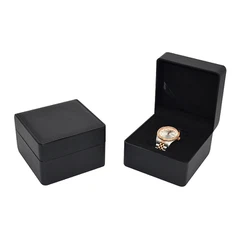
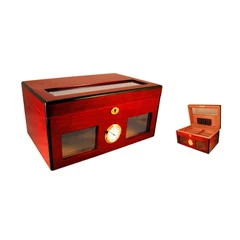
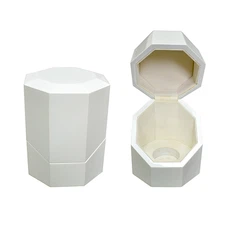
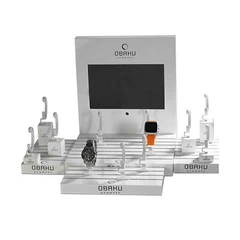


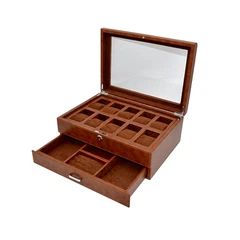
In today's increasingly competitive landscape, product packaging has transcended simple protection to become a crucial vehicle for brand narratives. As the first point of contact between a brand and its consumers, the design concept and craftsmanship of high-end gift boxes directly determine the product's market positioning and consumer experience.
I. Design Philosophy: A Comprehensive Experience from Visual to Tactile
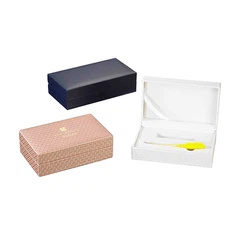
The design of high-end gift boxes begins with a deep understanding of the brand's DNA. Designers must seamlessly integrate the brand's history and cultural heritage with contemporary aesthetic trends to create a recognizable visual language. The use of specialized techniques such as hot stamping, embossing, and UV treatments not only elevates the packaging's visual depth but also enhances the product's luxurious quality through tactile experience. International luxury brands such as Tiffany's robin blue gift box and Hermès' orange packaging demonstrate the crucial role of color psychology in high-end packaging.
II. Material Revolution: The Art of Balancing Sustainability and Luxury
Contemporary high-end packaging is undergoing a paradigm shift in material selection. Traditional heavyweight and specialty papers still hold a significant market share, but environmentally friendly materials such as FSC-certified paper and biodegradable plant fibers are becoming increasingly popular. The "Washi" series developed by Japanese packaging companies retains the delicate texture of traditional craftsmanship while meeting modern environmental standards, showcasing a perfect blend of Eastern aesthetics and sustainable development.
III. Structural Innovation: A Double Breakthrough in Function and Aesthetics
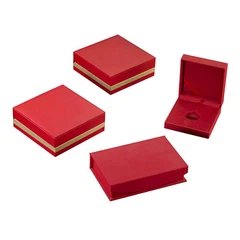
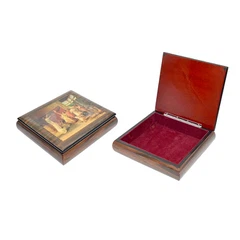
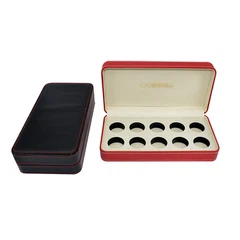
Unconventional structural designs can create a sense of surprise and collectible value in products. Innovative features such as magnetic closures, hidden drawers, and multi-level displays not only enhance convenience but also create a sense of ritual during the unboxing process. Swiss watch brands often use precision mechanical packaging, making the opening process as engaging as admiring a precision timepiece. This experiential design significantly enhances the product's added value.
IV. Smart Manufacturing: The Fusion of Traditional Craftsmanship and Digital Technology
Modern high-end packaging production has entered the era of intelligence. 3D printing technology can achieve complex shapes that are difficult to achieve with traditional molds. AR technology allows static packaging to become interactive and dynamic. Blockchain technology provides a reliable solution for anti-counterfeiting and traceability. The digital printing system used by the German packaging industry enables small-batch, personalized production while maintaining high color consistency, satisfying the high-end market's pursuit of uniqueness.
High-end gift packaging, like a silent salesperson, lies in creating an emotional connection that goes beyond the product itself. From conception to final product, every step requires close collaboration between designers and engineers to transform creative inspiration into tangible quality. In this attention economy, excellent packaging is more than just a container for the product; it is a three-dimensional statement of brand value, carrying the crucial mission of transforming ordinary consumer behavior into an unforgettable experience.